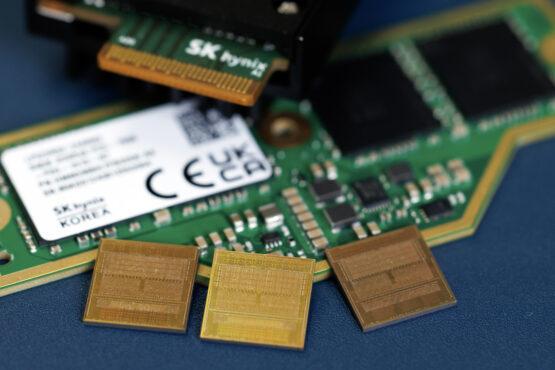
The rapid growth of artificial intelligence is creating a global scarcity of high-performance memory, specifically High-Bandwidth Memory (HBM), which is essential for training and running AI models. This demand is straining supply chains, causing price surges, and impacting the availability of memory components for consumer electronics and traditional enterprise IT equipment.
Key Impacts and Trends:
- Production Reallocation: Memory manufacturers are shifting production capacity away from standard DRAM towards more profitable HBM, leading to tighter supply in mid- and lower-end market segments.
- Rising Costs for Devices: The demand for memory in AI data centers has led to a scarcity that is driving up prices for consumer electronics, including smartphones, PCs, and televisions.
- PC Industry Disruption: The memory shortage is causing significant bottlenecks in the PC industry, particularly during the Windows 10 end-of-life refresh cycle, with vendors signaling 15-20% price hikes.
- "Super-cycle" of Demand: The intense demand for AI infrastructure is altering the traditional boom-and-bust cycles of the memory industry, with few signs of a quick slowdown.
- Impact on Component Supply: White box and smaller, regional electronics vendors are facing the brunt of the shortage, as large AI projects get priority for supply.
The crisis is expected to continue throughout 2026, making memory a valuable resource for the technology sector, equivalent to "new gold".